
Introduction to Artificial Intelligence in Digital Marketing
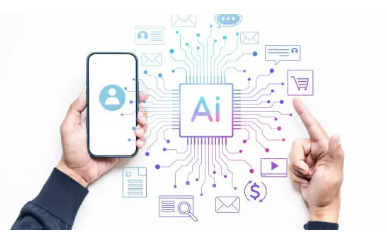
Artificial Intelligence (AI) is no longer a futuristic concept—it is actively reshaping the digital marketing landscape. As businesses worldwide strive for competitive advantages, AI-driven marketing strategies are quickly becoming indispensable. AI in Digital Marketing: Revolutionizing the Future of Online Growth From data-driven customer insights to automated campaigns and personalized experiences, AI enhances efficiency, accuracy, and performance across all marketing channels.
Table of Contents
What is AI in Digital Marketing?
AI in digital marketing refers to the application of artificial intelligence technologies—like machine learning, natural language processing, and predictive analytics—to optimize and automate marketing processes. This includes everything from chatbots and voice assistants to recommendation engines and smart ad targeting.
By analyzing vast amounts of data in real-time, AI tools can provide marketers with actionable insights, allowing businesses to deliver the right message to the right audience at the right time.
Key Benefits of AI in Digital Marketing
1. Hyper-Personalization of Customer Experiences
AI helps marketers understand customer behavior on a micro level. By tracking online activities, purchase history, and user interactions, AI systems can craft highly personalized content, product recommendations, and tailored offers. This leads to significantly higher conversion rates and customer satisfaction.
2. Intelligent Chatbots and Customer Support
AI-powered chatbots are transforming customer service by offering 24/7 real-time assistance. These bots can handle thousands of queries simultaneously, provide accurate responses, and escalate complex issues to human agents. This not only improves customer retention but also reduces operational costs.
3. Predictive Analytics and Trend Forecasting
With predictive analytics, marketers can forecast future buying behaviors, seasonal trends, and customer churn. AI models analyze historical and real-time data to help brands anticipate customer needs and make informed strategic decisions.
4. Enhanced Email Marketing Campaigns
AI improves email marketing by segmenting lists, determining optimal send times, and writing subject lines that are more likely to be opened. AI in Digital Marketing: Revolutionizing the Future of Online Growth. AI tools can also automate follow-ups based on user behavior, boosting overall campaign performance.
5. Automated Ad Targeting and Bidding
In programmatic advertising, AI algorithms determine the most effective ad placements and bidding strategies in real time. This ensures maximum ROI by reaching high-intent users with relevant messages across platforms like Google, Facebook, and Instagram.
Top AI Tools Transforming Digital Marketing
1. ChatGPT and GPT-based Assistants

Language models like ChatGPT are used for content creation, customer support, FAQs, and more. These tools can generate engaging and relevant content for blogs, product descriptions, and emails in seconds.
2. Google AI and RankBrain
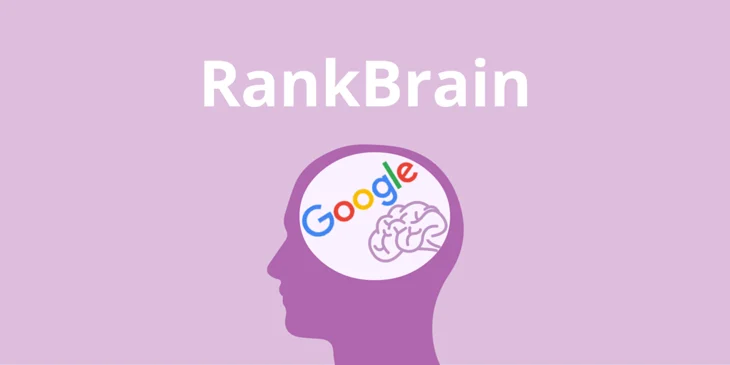
Google’s AI-powered RankBrain algorithm plays a crucial role in SEO rankings. It helps interpret search queries better and match them with high-quality, relevant content. Understanding how RankBrain works is essential for AI-optimized SEO strategies.
3. Salesforce Einstein

This AI-powered CRM tool enables marketers to analyze customer behavior and create high-converting journeys using automation and AI recommendations.
4. HubSpot AI Tools
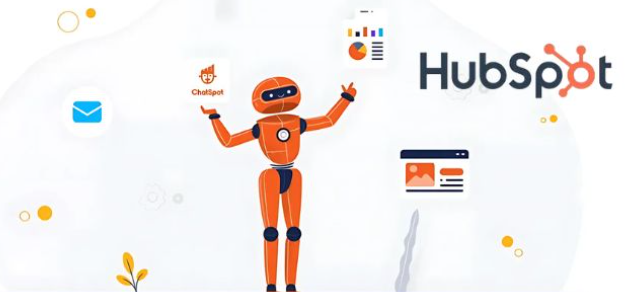
HubSpot integrates AI into its marketing suite for lead scoring, predictive analytics, and automated workflows, making it easier to convert prospects into paying customers.
5. SEMrush and MarketMuse

These AI content tools help marketers optimize their content for SEO, analyze competitors, and suggest keywords and topics that will help articles rank higher in search engines.
Use Cases of AI in Digital Marketing

1. Content Creation and Curation
AI can automatically generate blog posts, product descriptions, and video scripts based on keywords and audience interests. It also curates content by recommending trending topics and articles, enhancing content marketing strategies.
2. Voice Search Optimization
With the rise of smart speakers and voice assistants, optimizing content for voice search is critical. AI in Digital Marketing: Revolutionizing the Future of Online Growth. AI analyzes voice search data to help marketers create conversational content that aligns with user intent.
3. Visual Recognition and Augmented Reality
AI-based visual search tools let users search for products using images instead of keywords. Retailers use AI to integrate augmented reality experiences for virtual try-ons, increasing user engagement and purchase likelihood.
4. Social Media Listening and Sentiment Analysis
AI monitors social media platforms to gauge brand sentiment, identify trends, and analyze competitors. This data helps marketers adapt messaging and campaigns to align with public perception and audience interests.
5. Conversion Rate Optimization (CRO)
AI tools test different website layouts, color schemes, CTA buttons, and content in real-time to determine what drives the best user engagement. This leads to higher conversion rates and better ROI from digital assets.How AI is Shaping the Future of SEO
AI-Generated Content and SEO
AI tools like GPT-4 are now being used to create SEO-optimized content that not only ranks well but also delivers value to the reader. They help identify search intent, keyword density, and readability to ensure top performance.
Voice and Visual Search SEO
As search behavior evolves, AI helps optimize content for voice queries and image-based searches, which require a different approach than traditional SEO.
User Behavior Analysis
Google rewards pages that offer great user experience (UX). AI evaluates bounce rate, dwell time, and click-through rates to help marketers fine-tune pages for both SEO and usability.
Schema Markup and Structured Data
AI can automate the addition of schema markup, which helps search engines understand the content of web pages better, improving visibility in rich snippets and voice search results
Challenges of AI in Digital Marketing
Despite its advantages, AI implementation comes with challenges such as:
- Data privacy concerns
- Initial investment costs
- Over-reliance on automation
- Need for skilled professionals to interpret AI outputs
However, with proper strategy and tools, these challenges can be mitigated for long-term growth.
GenAI: From Search Engines to Solution Engines
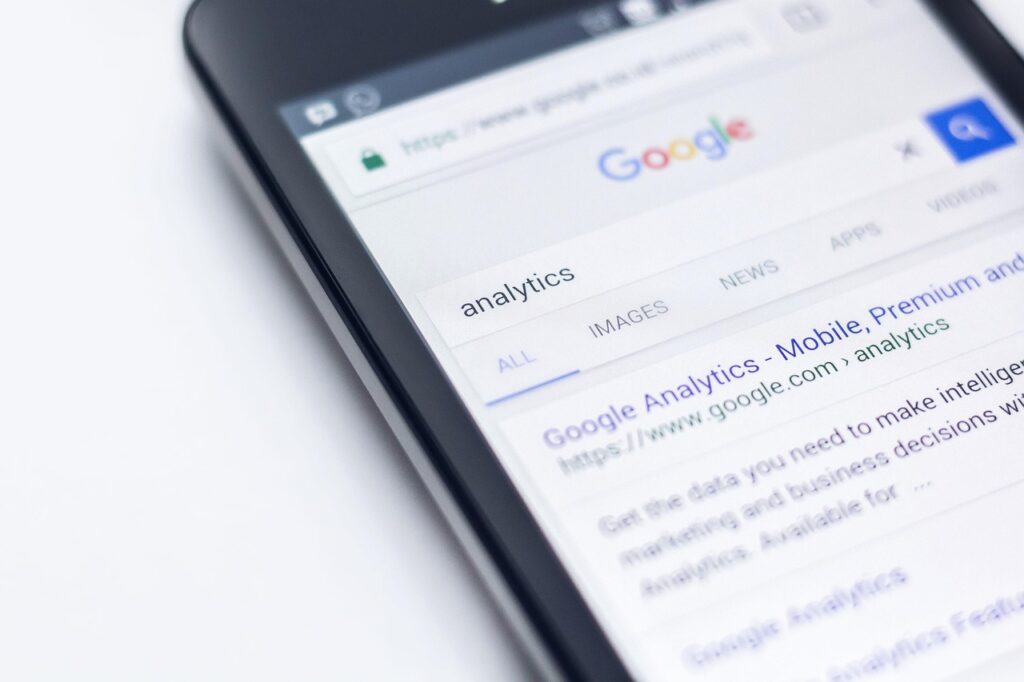
Introduction: The Evolution of Information Retrieval
The rapid evolution of Generative AI (GenAI) is transforming how people interact with information online. Traditional search engines like Google and Bing, which once served as directories to help users find web pages, are now evolving into solution engines—tools that generate direct answers, solve problems, and complete tasks in real time.
This paradigm shift is not incremental. It marks a fundamental change in user behavior, business strategy, content creation, and digital marketing. As GenAI systems become smarter and more responsive, they are reshaping the digital landscape, pushing beyond the limits of keyword search to become intelligent assistants capable of personalized, context-aware output.
What is Generative AI (GenAI)?
Generative AI refers to a class of artificial intelligence that can generate text, images, code, audio, and other content based on prompts. These models—like OpenAI’s GPT-4, Google’s Gemini, and Meta’s LLaMA—are trained on massive datasets and capable of producing human-like responses across diverse topics.
When embedded into search engines, GenAI transforms the search process by:
- Interpreting user intent with higher accuracy
- Producing concise, relevant answers
- Completing tasks, not just suggesting links
From Finding Answers to Solving Problems
1. Contextual Understanding of Queries
GenAI models go beyond literal interpretation. They understand context, tone, sentiment, and complexity, enabling them to respond to queries like:
- “Create a 7-day vegan meal plan under ₹1000”
- “What should I pack for a 5-day trip to Manali in October?”
- “Help me draft a resignation letter for a marketing role”
These are solution-based prompts, not just search terms. Traditional engines fall short here—GenAI does not.
2. Personalized, Conversational Interaction
Generative AI is inherently interactive and conversational. Instead of typing a question, getting links, and then researching further, users can now ask follow-up questions, refine their prompts, and receive customized responses in seconds.
This level of personalization turns GenAI into a digital concierge, assisting with tasks like:
- Writing legal drafts
- Creating business strategies
- Designing presentations
- Coding websites
3. Task Completion vs Information Retrieval
With traditional search, users are often left to piece together information manually. GenAI does the work by producing full solutions, such as:
- Email campaigns
- Social media calendars
- Lesson plans
- Business plans
The emphasis has shifted from retrieving data to delivering ready-to-use outputs.
Conclusion: From Questions to Commands
We are entering an era where users no longer just search—they command, converse, and create. GenAI is not just transforming search engines; it is replacing them as solution engines. Whether it’s drafting emails, coding websites, or planning trips, GenAI delivers actionable outcomes, making digital experiences faster, smarter, and more intuitive.
Those who embrace GenAI will lead the digital future—those who resist will be left behind.
If you want to read more information about how to boost traffic on your Website just visit –> The Insider’s Views